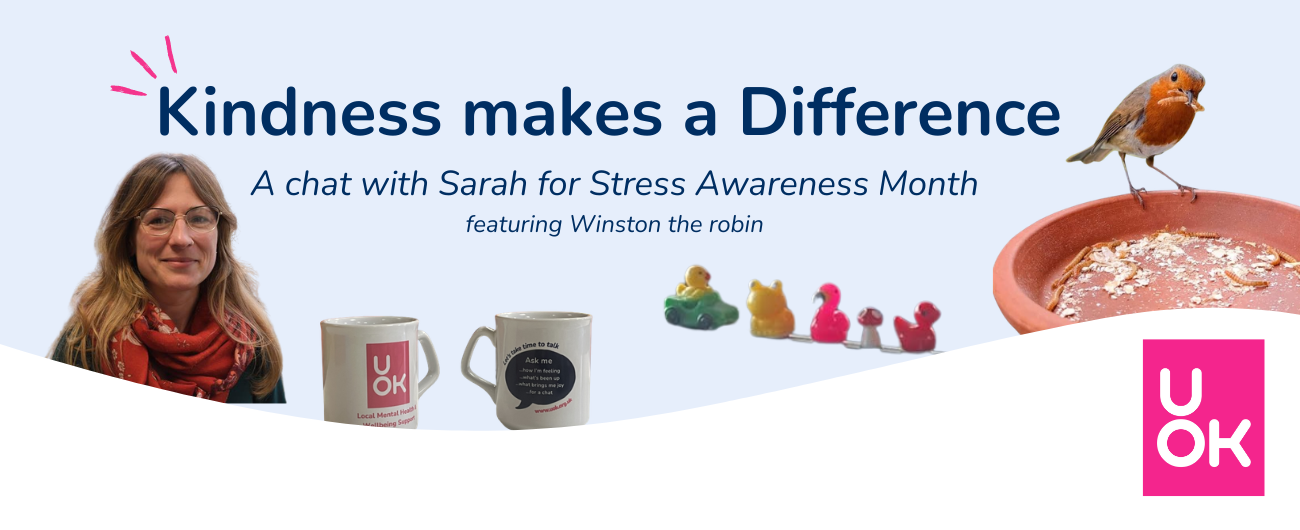
For Stress Awareness Month, we spoke to our new Neighbourhood Lead, Sarah Burlumi about small, human ways to approach stress. Read along for an insightful conversation full of tips to recognise and handle stress for ourselves and those around us (featuring miniature ducks and a special robin!)
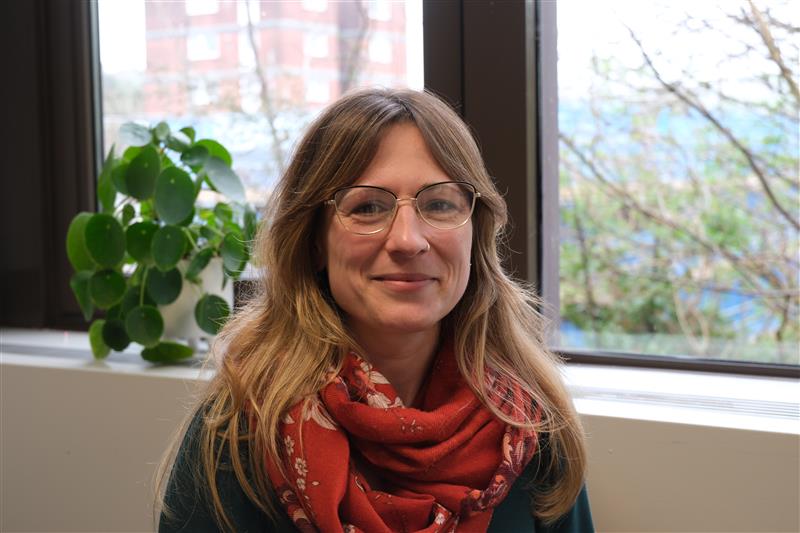
How are you feeling as you step into this new role? What excites you?
I think the thing that could be quite stressful, the unknown is also one of the most exciting parts of it. It’s really about embracing that unknown and having that ability to kind of create something that will make a difference
Everyone I work with at Southdown, we’re all here because we want to make a difference for our communities, for the people we work with, and for our colleagues as well. To be able to do that feels really exciting. I love networking and just talking and spreading joy. So this role feels perfect for me. I haven’t got around to hiding ducks in my buildings yet, but that will happen.
I’ve got the largest area and the most buildings to manage, but I really quite like the stress of it, a bit like positive stress. I like a little bit of pressure because I just think that’s more space to succeed, which I love.
How do you recognise when stress is building up, for yourself and others?
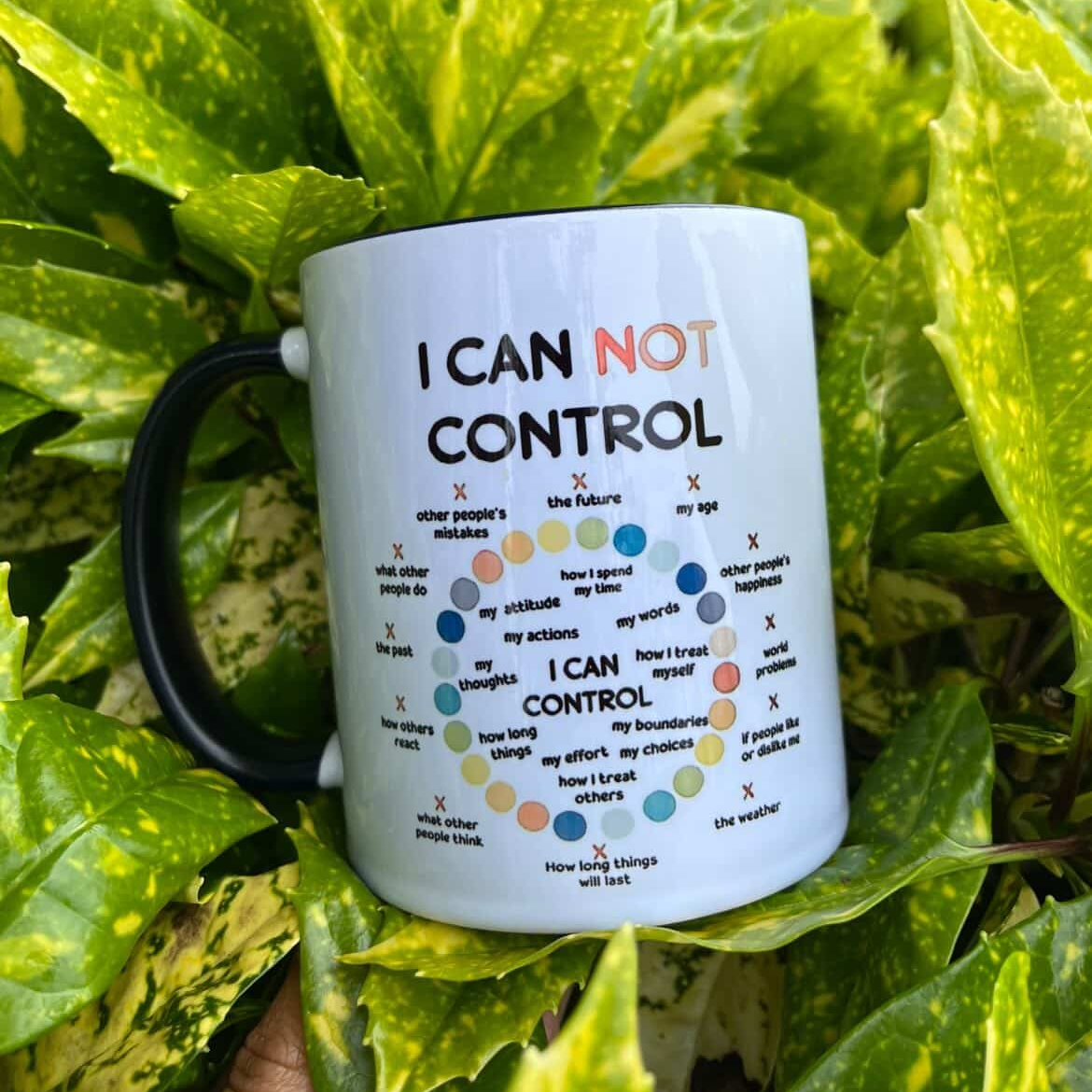
I’ve got a lot better over the years at managing stress. Someone once shared with me to think in terms of what’s within your control, and what isn’t. That’s really stuck with me.
I’m always assessing: can I do anything about this right now? Is there a positive action I can take? If there isn’t, then it’s probably time to go have a cup of tea
When I recognise things are building up, it’s about getting up, moving, having a chat, going to the gym—things like that. I’m also quite big on recognising it in other people. If the people around me feel supported and fulfilled, I kind of soak up that energy but I also like to give that energy out. So I check in, try to make people laugh.”
Read more about the circle of Control here
You spoke about your body recognising stress before your mind, can you say more about that?
Because I’ve got an autoimmune disease, I notice that before my brain recognises stress, my body gives me the signs. That’s a sign for me to slow down a little bit. But I’m normally going at 100 miles an hour. I just feel so grateful to be here, I’m always excited for life so slowing down is quite hard.”
When it comes to managing stress, what do you think is most important to remember?
I think kindness is such a big part of managing stress. You never know what someone’s coming into work carrying. So just being kind, and having a conversation can change a person’s for the entire day. It takes a couple of minutes, but it can make such a difference.
Stress is often us feeling like we’re holding things alone, and so just genuinely asking ‘How are you, really?’ can make such a big difference
Even small things—like saying ‘I love your dress’—being real, not disingenuous. It just shifts something.”
You’re known for hiding little ducks around the office, what’s the idea behind that?
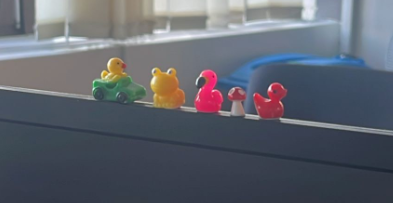
I started hiding little ducks because I found that the head office can be quite an intense environment. And I thought, if you hide little joyful things in unexpected places, it brings a sense of fun. There’s ducks, little mushrooms, some frogs too haha!
Not everybody liked them, but that’s fine. It started conversations, brought a bit of joy. And those things are all conducive to helping manage stress.
Is there something about stress that you think gets overlooked?
For me, having an invisible illness, people are often managing more than you can see. I manage quite a lot of stress around my own physicality, whether I’ll get ill, have a flare-up, start treatment and I think that often gets overlooked in conversations about mental health and stress.
It comes back to that : you just don’t know what anyone’s dealing with at any one time.
How can we better support colleagues who might be stressed?
“We shouldn’t hesitate to step in sometimes. If you see someone going from one thing to another, give them space to decompress. Even five minutes outside, having a cup of tea, sitting in the sun, it makes a difference.
And laughter is so important for reducing stress. Just being able to smile at something. Connection is really important too. When you feel like you’re on your own, that has a big impact. So just checking in with a simple ‘Are you alright? Do you want a cup of tea?’ it’s very British, but it works.”
What helps you personally unwind?
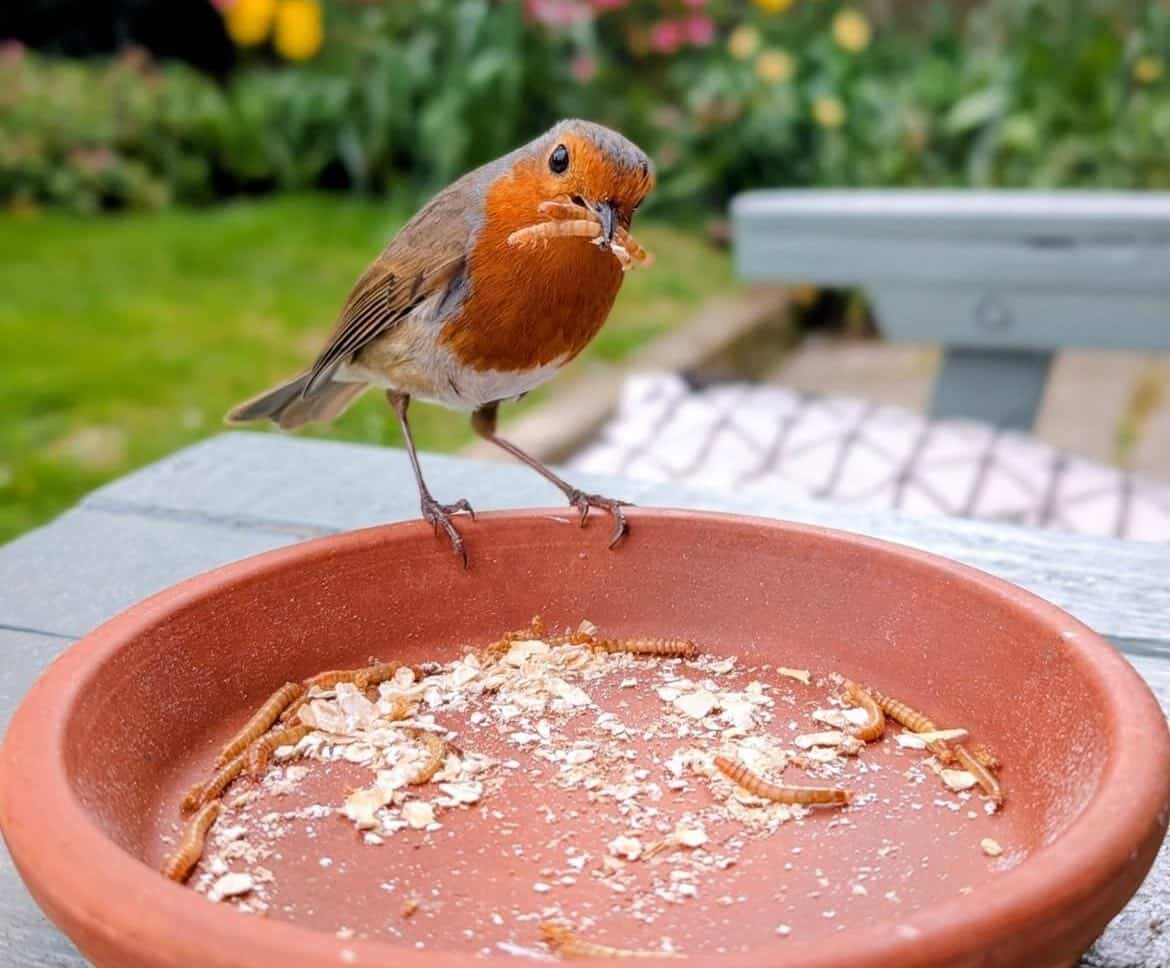
Birds! I’m obsessed with birds.
There’s an app called Merlin, it gives you a 10-minute timer where you just listen to birds. If you’re feeling stressed, you can just sit and listen. And I’ve got Winston the robin, who I feed. It’s taken me years to befriend him. I told my husband I have him, my children, and the robin. I’m good.
Any final thoughts on stress?
“Stress is something we will experience, it’s a normal emotion, like anxiety or feeling low. You’ve got to have the whole rainbow of emotions to function as a healthy individual.
It’s about looking at your stress portions throughout the day and remembering that everyone’s path to managing it is different. Just because I can manage something doesn’t mean someone else can and vice versa.
As Sarah steps into this new role, her reflections remind us that managing stress isn’t about eliminating it, but about how we hold it individually and collectively. We wish Sarah all the very best in her new role, and look forward to seeing the joy, care and community spirit she continues to bring to the people and places around her 🙂
Life is tough. If you or anyone you know is struggling to manage stress, support is available. Qwell is our free, anonymous online support service. Find out more about our offer here and access our service directory here.